
Water damage rarely announces itself politely. It can arrive suddenly through burst pipes, appliance failures, roof leaks, flooding, or plumbing overflows. In a matter of minutes, water can spread across floors, seep into walls, saturate insulation, and compromise structural materials. Yet while the initial incident may last only a short time, the damage left behind can continue to worsen for days or even weeks if not properly addressed.
When it comes to Water Damage Restoration Utah timing is everything. The first 24 to 48 hours after water intrusion are critical. Acting quickly can significantly reduce structural damage, prevent mold growth, and lower overall restoration costs. Delaying response, on the other hand, often leads to secondary issues that are far more complex and expensive to fix.
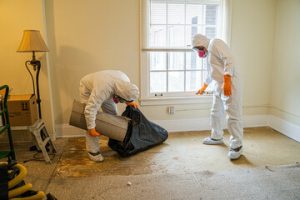
In this guide, we will explore why the early stages of water damage restoration are so important, what happens during those crucial first hours, and how professional intervention can protect both your property and your health.
What Happens Immediately After Water Intrusion
Water may appear harmless at first glance, especially if it looks clean. However, once it enters a building, it begins to move rapidly through porous materials. Carpets, drywall, wood framing, insulation, and even concrete can absorb moisture quickly.
Within minutes, water spreads beyond the visible surface. It seeps under baseboards, travels along wall cavities, and pools beneath flooring. Even small leaks can migrate farther than expected, making the affected area larger than it initially appears.
In the first few hours, several damaging processes begin:
- Building materials start absorbing moisture and weakening
- Furniture and belongings may stain, swell, or warp
- Electrical hazards can develop if the wiring becomes wet
The longer water remains in place, the deeper it penetrates. That is why immediate water damage restoration is essential to limit the scope of destruction.
The 24-Hour Mark: Escalating Damage
Within the first 24 hours, water damage can become significantly more severe. Materials that seemed unaffected at first may begin to show signs of stress. Drywall can soften and lose structural integrity. Wood may swell, leading to warped flooring or cabinetry. Metal components can begin to corrode.
Humidity levels inside the property also rise dramatically. Elevated moisture in the air creates condensation on surfaces and increases the risk of microbial growth.
By the end of the first day, you may begin to notice:
- Musty odors are developing in affected areas
- Visible swelling or bubbling of paint and finishes
- Carpets feel heavy or soggy underfoot
At this stage, simple surface drying is not enough. Moisture hidden within walls and subflooring continues to spread unless specialized equipment is used to extract and dry it thoroughly.
The 48-Hour Window: Mold Growth Risk Increases
Perhaps the most urgent reason for immediate water damage restoration is the risk of mold growth. Under the right conditions—moisture, warmth, and organic material—mold can begin developing in as little as 24 to 48 hours.
Drywall paper, wood framing, carpet backing, and insulation all provide food sources for mold. Once growth begins, it can spread rapidly throughout hidden spaces, including wall cavities and HVAC systems.
Mold not only damages building materials but also affects indoor air quality. Spores can become airborne and circulate throughout the property, potentially triggering respiratory discomfort and allergic reactions.
Preventing mold is far easier and less expensive than removing it after it spreads. Prompt water extraction and thorough drying during the first 48 hours dramatically reduce this risk.
Why Professional Water Damage Restoration Is Essential
While it may be tempting to handle water cleanup independently, professional water damage restoration services provide tools and expertise that go far beyond basic drying methods.
Professionals use advanced moisture detection equipment to identify hidden water pockets that are not visible to the naked eye. Infrared cameras and moisture meters help pinpoint damp areas inside walls and beneath flooring.
The restoration process typically includes:
- Rapid water extraction using high-powered equipment
- Industrial-grade dehumidification and air movement
- Removal of unsalvageable materials
- Sanitization to reduce contamination risks
Simply placing fans in a room is rarely sufficient. Without proper extraction and dehumidification, moisture can remain trapped behind surfaces, creating ongoing structural and health concerns.
Categories of Water Damage and Why They Matter
Not all water damage is the same. The source of the water plays a critical role in determining the restoration process.
Water damage is generally categorized into three types:
- Clean water – from broken supply lines or appliances
- Gray water – from washing machines or sinks containing mild contaminants
- Black water – from sewage backups or flooding with harmful pathogens
The longer water sits, the more likely it is to degrade in quality. Clean water can quickly become contaminated if left untreated, especially when it contacts building materials.
Professional water damage restoration ensures that contaminated water is handled safely and that affected areas are properly disinfected to prevent health risks.
Hidden Damage: What You Don’t See Can Hurt You
One of the most dangerous aspects of water damage is what happens behind the scenes. Even after visible water is removed, moisture can remain hidden inside structural components.
Subflooring may retain water long after the carpet appears dry. Insulation can trap moisture against the wall studs. Wooden beams can slowly deteriorate over time if not fully dried.
Without proper moisture testing and monitoring, these hidden areas may remain damp for days or weeks. Over time, this can lead to structural weakening, rot, and persistent mold growth.
Professional restoration teams monitor moisture levels throughout the drying process to ensure that affected materials return to safe levels before reconstruction begins.
Protecting Structural Integrity
Water weakens many common building materials. Drywall can crumble, wooden framing can warp, and adhesives can lose their bond. Flooring materials such as laminate and engineered wood are especially vulnerable to swelling and delamination.
Immediate water damage restoration helps protect structural integrity by:
- Reducing prolonged exposure to moisture
- Removing compromised materials before deterioration spreads
- Stabilizing the environment with controlled drying
The faster the moisture is removed, the greater the likelihood that materials can be salvaged rather than replaced.
Health Implications of Delayed Restoration
Beyond structural concerns, untreated water damage can impact health. Damp environments create ideal conditions for mold, bacteria, and other microorganisms. Airborne spores can circulate throughout the property, affecting indoor air quality.
Individuals exposed to mold-contaminated environments may experience symptoms such as:
- Coughing or throat irritation
- Nasal congestion or sneezing
- Skin irritation
- Headaches or fatigue
Even if symptoms are mild at first, prolonged exposure can worsen indoor comfort and well-being.
Prompt water damage restoration reduces the duration of moisture exposure and limits microbial growth, helping maintain a healthier indoor environment.
Financial Benefits of Acting Quickly
Delaying water damage restoration often leads to higher repair costs. What may begin as a minor issue can escalate into widespread structural damage and mold remediation.
Early intervention helps:
- Minimize the amount of material that must be replaced
- Shorten overall restoration timelines
- Reduce the risk of secondary damage
In many cases, the cost difference between immediate response and delayed restoration can be substantial. Acting quickly preserves more of the original structure and reduces labor and material expenses.
The Complete Restoration Process
Effective water damage restoration involves more than drying. It is a multi-step process designed to return the property to a safe and stable condition.
The typical restoration process includes:
- Inspection and damage assessment
- Water extraction
- Structural drying and dehumidification
- Cleaning and sanitizing affected areas
- Repairs and reconstruction
Each step builds on the previous one to ensure that moisture is fully removed and the property is properly restored.
Prevention and Preparedness
While not all water damage incidents can be prevented, proactive measures can reduce risk. Regular plumbing inspections, appliance maintenance, and roof checks help identify potential issues before they escalate.
Property owners should also know how to shut off water supply lines in case of emergency. Quick action during the first few minutes of a leak can significantly reduce damage.
Preparedness combined with professional water damage restoration ensures that unexpected incidents are handled effectively and efficiently.
Final Thoughts: Time Is the Most Valuable Asset
Water damage restoration is not just about drying out a space—it is about protecting your investment, preserving structural integrity, and safeguarding indoor health. The first 48 hours after water intrusion are the most critical. During this window, swift action can prevent mold growth, minimize material damage, and reduce long-term repair costs.
Ignoring or delaying restoration allows moisture to spread deeper into the structure, creating hidden problems that worsen over time. By responding quickly and relying on professional water damage restoration services, property owners can contain the damage, restore safety, and regain peace of mind.
When water enters your property, every minute counts. Acting decisively during those crucial early hours makes the difference between manageable repairs and extensive reconstruction.