
A strong foundation is the backbone of any structure. Whether residential or commercial, every building depends on a stable base to maintain safety, durability, and long-term performance. When foundation problems arise, they rarely stay isolated. Small cracks can evolve into structural shifts, uneven floors, sticking doors, and even compromised load-bearing walls. Left untreated, foundation damage can escalate into costly repairs and serious safety risks. That is why innovative Foundation Repair Murfreesboro TN solutions have become a critical focus within the construction and structural maintenance industry.
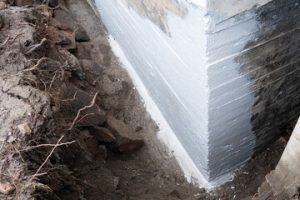
Modern foundation repair techniques have advanced significantly over the past decade. Today’s solutions are not only more efficient but also less invasive, more durable, and designed to address the root causes of structural instability. By combining engineering expertise with cutting-edge materials and technology, professionals can restore structural safety while minimizing disruption to property owners. Understanding these innovative solutions empowers homeowners and property managers to make informed decisions that protect their investment and ensure long-term structural integrity.
Understanding the Importance of Structural Safety
Structural safety begins at ground level. Foundations distribute the weight of a building evenly across the soil, preventing settlement and movement. However, several factors can compromise this balance, including soil expansion, erosion, poor drainage, seismic activity, and improper construction practices. When the soil beneath a structure shifts or weakens, the foundation may crack, sink, or become uneven.
Common warning signs of foundation problems include:
- Cracks in walls, floors, or ceilings.
- Uneven or sloping floors.
- Doors and windows that stick or fail to close properly.
- Gaps between walls and ceilings.
- Water intrusion in basements or crawl spaces.
Recognizing these early indicators allows property owners to address issues before they escalate. Innovative foundation repair solutions are designed not only to correct visible damage but also to stabilize the underlying soil conditions that caused the problem in the first place.
Advanced Piering Systems for Long-Term Stability
One of the most reliable and widely used innovative foundation repair solutions involves advanced piering systems. These systems are engineered to stabilize and lift settling foundations by transferring the weight of the structure to deeper, more stable soil layers.
Two commonly utilized pier systems include:
- Steel push piers that are driven deep into load-bearing strata.
- Helical piers that are screwed into the soil using specialized equipment.
Both systems are minimally invasive and provide immediate structural support. Unlike traditional excavation-based repairs, piering systems require limited disruption to landscaping and existing structures. Once installed, these piers effectively prevent further settlement by anchoring the foundation to stable ground.
Modern pier technology also includes load testing to ensure proper weight distribution. This data-driven approach enhances precision and improves long-term reliability, making piering systems a cornerstone of contemporary foundation repair.
Polyurethane Foam Injection for Soil Stabilization
Another innovative solution gaining popularity is polyurethane foam injection. This advanced technique addresses both soil instability and uneven concrete surfaces. Lightweight yet strong, expanding polyurethane foam is injected beneath slabs or foundations to fill voids, compact loose soil, and gently lift settled sections.
The benefits of polyurethane foam injection include:
- Rapid curing time, often allowing same-day use.
- Minimal excavation and surface disruption.
- Lightweight material that does not add excessive stress to the soil.
- Long-lasting moisture resistance.
This method is particularly effective for repairing sunken concrete slabs, driveways, walkways, and certain foundation types. By stabilizing the soil and restoring proper alignment, polyurethane foam injection improves structural safety without the need for large-scale demolition.
Carbon Fiber Reinforcement for Wall Stabilization
When foundation walls begin to bow or crack due to soil pressure, innovative reinforcement systems offer an efficient solution. Carbon fiber reinforcement strips are increasingly used to strengthen compromised walls without requiring full reconstruction.
Carbon fiber materials are exceptionally strong yet thin, allowing them to be applied directly to interior foundation walls. Once bonded with high-strength epoxy, these strips create a permanent reinforcement system that prevents further movement.
Advantages of carbon fiber reinforcement include:
- Non-invasive installation with minimal interior disruption.
- High tensile strength for lasting support.
- Corrosion resistance and durability.
- Cost-effectiveness compared to wall replacement.
This solution is ideal for stabilizing walls experiencing horizontal cracking or inward bowing due to hydrostatic pressure. By addressing the structural weakness early, carbon fiber systems prevent further damage and enhance overall safety.
Drainage Improvements and Waterproofing Systems
Water is one of the leading contributors to foundation damage. Poor drainage, excessive moisture, and hydrostatic pressure can weaken soil and cause structural shifting. Innovative foundation repair strategies increasingly focus on comprehensive drainage solutions to prevent recurring issues.
Modern waterproofing and drainage systems often include:
- Exterior drainage channels to redirect water away from the structure.
- Interior sump pump systems to manage groundwater.
- Vapor barriers in crawl spaces to control moisture levels.
- Foundation coatings that resist water penetration.
By combining structural repairs with moisture control strategies, professionals create long-term protection. Addressing drainage alongside foundation stabilization ensures that repairs remain effective over time and that structural safety is maintained.
Slab Jacking and Concrete Leveling Innovations
Traditional concrete leveling methods have evolved significantly. Slab jacking, also known as mudjacking, has been refined with modern materials and equipment to improve precision and durability. Today’s techniques often incorporate lightweight compounds that minimize additional soil stress.
Slab leveling restores uneven surfaces by injecting stabilizing material beneath concrete slabs. This process fills voids and raises the slab to its original position. Compared to full slab replacement, this solution is faster, more cost-effective, and environmentally responsible.
Innovations in injection equipment allow technicians to control lift levels with exceptional accuracy. The result is a level surface that enhances safety and prevents trip hazards, while preserving the structural integrity of surrounding areas.
Soil Stabilization and Ground Improvement Technologies
In some cases, foundation damage stems from expansive or weak soil conditions. Innovative soil stabilization methods address these underlying issues directly. Ground improvement technologies strengthen soil to reduce movement and increase load-bearing capacity.
Common soil stabilization techniques include:
- Chemical grouting to bind loose soil particles.
- Compaction grouting to densify unstable areas.
- Deep soil mixing for enhanced structural support.
These methods target the root cause of settlement rather than just repairing visible damage. By reinforcing the soil beneath a structure, professionals create a stable environment that prevents recurring foundation problems.
Smart Monitoring Systems for Preventive Maintenance
Technological advancements have introduced smart monitoring systems into foundation repair practices. Sensors installed within or around foundations can track movement, moisture levels, and structural shifts in real time.
These systems provide valuable data that allows property owners to:
- Detect early signs of settlement.
- Monitor moisture changes that could impact soil stability.
- Assess the effectiveness of completed repairs.
Preventive monitoring enhances structural safety by enabling proactive intervention. Instead of reacting to visible damage, property owners can address issues before they compromise structural integrity.
The Importance of Professional Assessment
While innovative foundation repair solutions offer impressive results, proper diagnosis is critical. Each foundation issue has unique contributing factors, and selecting the right repair method requires thorough evaluation. Professional assessments typically involve soil analysis, structural inspections, and load calculations.
A comprehensive evaluation ensures that the chosen solution addresses both symptoms and root causes. Attempting temporary fixes without understanding underlying conditions may lead to recurring damage and higher costs in the future.
Long-Term Benefits of Innovative Foundation Repair
Investing in modern foundation repair solutions provides long-term advantages beyond immediate structural stabilization. These benefits include:
- Improved property value and marketability.
- Enhanced safety for occupants.
- Reduced risk of costly structural damage.
- Greater energy efficiency through stabilized building envelopes.
Structural safety is not merely about correcting visible cracks; it is about restoring balance and protecting the entire building system. Innovative repair methods provide durable, efficient solutions that stand the test of time.
Innovative foundation repair solutions are transforming the way structural safety is maintained. From advanced piercing systems and polyurethane foam injection to carbon fiber reinforcement and smart monitoring technology, modern techniques offer efficient and lasting results. These solutions address both surface damage and underlying soil instability, ensuring comprehensive protection.
Foundation issues should never be ignored. Early intervention combined with cutting-edge repair strategies safeguards property value and occupant safety. By embracing innovative foundation repair technologies, property owners can confidently reinforce their structures and secure a stable foundation for years to come.
Structural safety begins below the surface. With the right expertise and advanced repair solutions, even serious foundation challenges can be resolved efficiently and effectively, preserving the strength and reliability of any building.